Skip to content

AS-SCHNEIDER INSIGHTS

Follow this blog by email. Get exclusive insights on AS-Schneider.

Overview of different committee work situations.

Why committee work is so important for you and your business

Being part of an industry comes with different roles and responsibilities to fulfill. Some stakeholders are operators who produce goods or products. Others are suppliers and service providers that get the parts, materials, and solutions demanded by the manufacturing and supply chain processes. There are also distributors and retailers who position the merchandise in the market. The final link in this chain is e.g. the operator. They buy the products, put them to use, and keep this ecosystem running.

If you step back to look at the big picture, this chain might seem to have a stable structure. But let me assure you that this is not the case. One vital part is missing—a puzzle piece that endlessly contributes to the success of the industry.


Read More
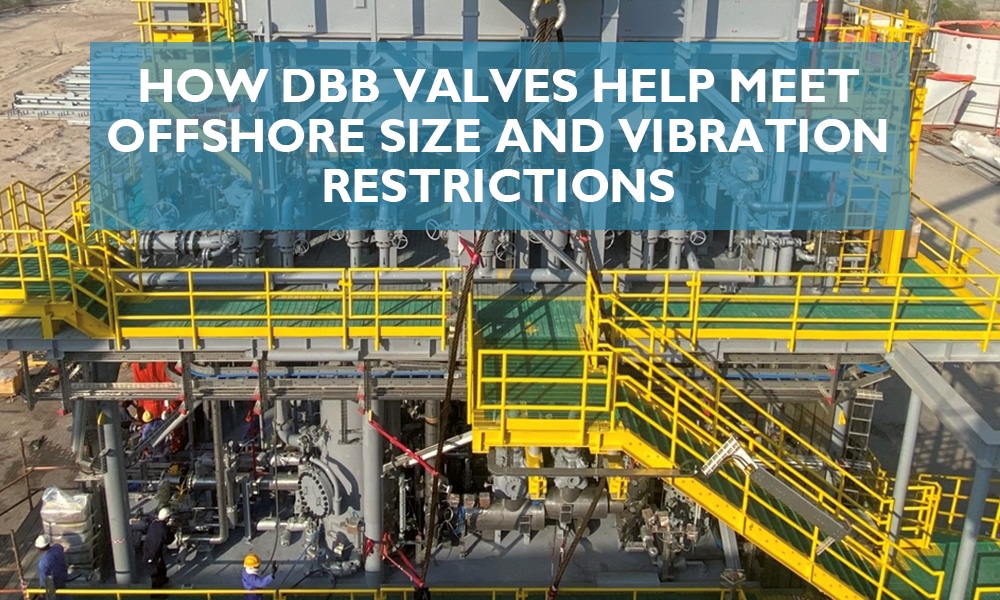
Workers install DBB Valves at a gas lift compression module of a FPSO vessel in west Africa.

How DBB valves help meet offshore size and vibration restrictions

Offshore is without question one of the most challenging working environments for the oil and gas sector. The harsh weather conditions and remote location add a unique layer to everyday operations. Having impeccable timing takes on a whole new meaning in maintenance tasks. I’m touching the ground on this subject because AS-Schneider recently had me assist a client with their valve technology. The project was for the gas lift compression module of a floating production, storage, and offloading (FPSO) vessel in West Africa. We not only completed the job but also got to learn genuinely valuable lessons worth sharing. Thus, I’m happy to have the chance to do so today through this blog. Here’s the story of how we helped a dear customer, an upstream contractor, obtain double block and bleed (DBB) valves that met the site’s tight constraints on space, weight, and vibration. Read along!

Read More
Hydrogen pipelines and trees stand for hydrogen embrittlement prevention and control.

Hydrogen embrittlement prevention and control [Part 4 of 4]

At last, we reached the final delivery of our hydrogen embrittlement series. In part IV, we continue our interview with Material Testing Institute’s expert, Brain Kagay. Before, in part III, he shared precise insight into the effect of hydrogen embrittlement in different materials (metallic and non-metallic). Now, he’s disclosing more vital information relevant to the future blended operations of natural gas-hydrogen to be held in Germany’s existing grid and what’s next for research of hydrogen effects on materials.

Read More
Hydrogen pipelines and trees stand for effects of hydrogen embrittlement on different valve materials.

Effects of hydrogen embrittlement on different valve materials [Part 3 of 4]

Here is the third part of our hydrogen embrittlement series with special guest Materials Testing Institute’s expert Brian Kagay. In part II, we addressed the causes of hydrogen embrittlement in valves. So, naturally, in this installment, our conversation flowed toward the effects of embrittlement by H2 in different types of valve materials.

Read More
Hydrogen pipelines and trees stand for causes of hydrogen embrittlement in valves.

Causes of hydrogen embrittlement in valves [Part 2 of 4]

Welcome to the second delivery of our hydrogen embrittlement series. In this follow-up piece, our talk with Materials Testing Institute’s expert Brian Kagay turns to a new topic that complements part I’s basics of H2 embrittlement and its effects on valves. Here, the focus is on the causes behind valve embrittlement by H2. We also go over the enabling factors, how they impact the welding process, and the ways to spot affected materials.

Read More